
Black Annealed Wire Applications
2025-02-25
Black annealed wire, known for its flexibility, durability, and cost-effectiveness, is a versatile material widely used across industries due to its unique properties. Here’s a breakdown of its key applications:
1. Construction & Building
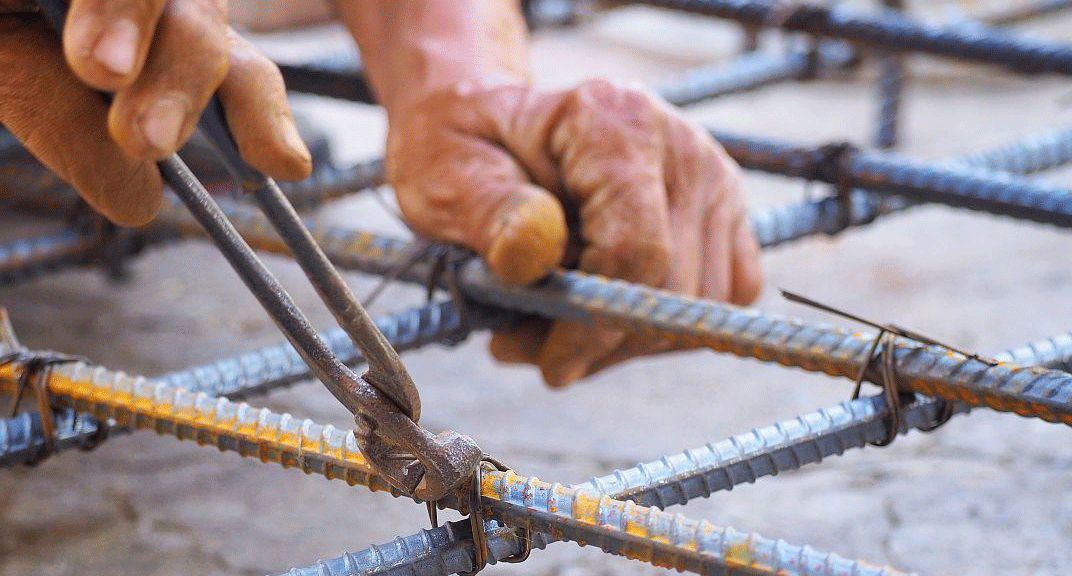
Rebar Tying: Used to securely tie steel rebar in concrete structures (e.g., foundations, columns, slabs). Its softness and pliability make it easy to twist by hand or with tools.
Mesh Fabrication: Forms lightweight wire mesh for plastering, fencing, or temporary partitions.
Brickwork: Bundles bricks or blocks during transport or storage.
2. Agriculture & Farming

Baling Hay/Straw: Binds hay bales tightly without breaking.
Plant Support: Ties vines, trees, or crops to stakes for vertical growth.
Fencing: Creates temporary or semi-permanent fencing for livestock or garden protection.
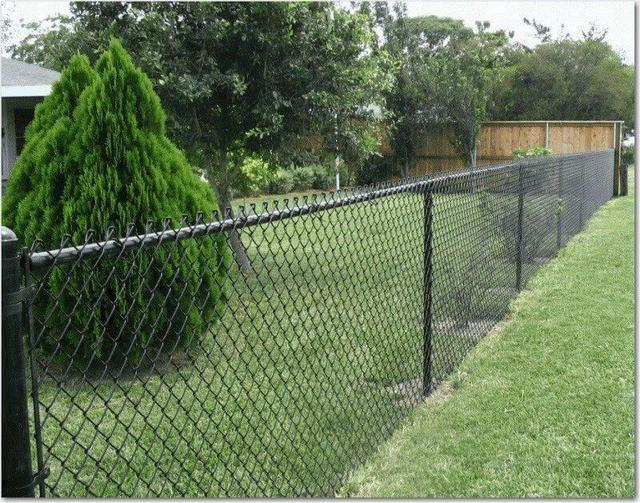
3. Packaging & Logistics
Bundling Materials: Secures pipes, timber, metal rods, or industrial goods during shipping.
Pallets & Crates: Reinforces packaging to prevent shifting during transit.
4. DIY & Crafts

Home Projects: Ideal for garden trellises, DIY repairs, or arts and crafts due to its easy-to-bend nature.
Floral Arrangements: Shapes and binds floral displays or wreaths.
5. Industrial Manufacturing
Automotive: Temporary fixes, binding parts during assembly, or securing components.
Furniture: Reinforces joints or weaves for rustic designs (e.g., chair seats, baskets).
Key Advantages of Black Annealed Wire
Flexibility: Annealing softens the wire, making it easy to handle without sacrificing tensile strength.
Corrosion Resistance: The black oxide coating offers mild rust protection (suitable for dry or indoor environments).
Cost-Effective: Cheaper than galvanized or stainless steel wire, ideal for budget-conscious projects.
Limitations
Not recommended for long-term outdoor use in wet/humid conditions (prone to rust over time). For such environments, galvanized wire is a better choice.
Customization Options
Black annealed wire is available in various:
Thicknesses (Gauges): Ranges from thin (18–22 gauge) for crafts to thick (8–12 gauge) for heavy-duty tasks.
Spool Sizes: Sold in coils or cut-to-length bundles.
Innovative Steel Wire Mesh Solutions Revolutionize Petroleum Engineering Applications
Galvanized Iron Wire vs. Regular Iron Wire: Key Differences Explained
Related Article

15.5-gauge barbed wire is a mid-range thickness barbed wire primarily used for agricultural and perimeter fencing where a good balance of strength, durability, and cost is needed.
What is 15.5 gauge barbed wire used for?
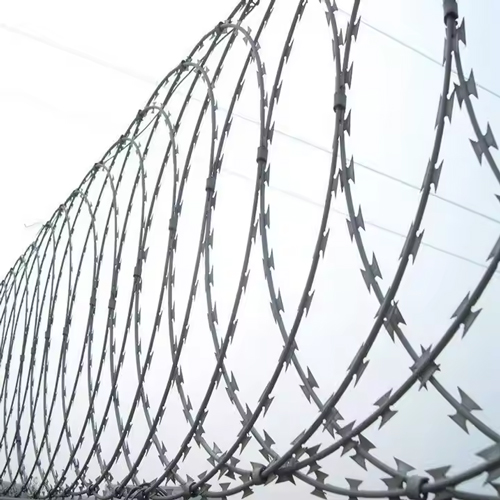
Concertina Wire: A New-Type Protection Mesh Combining Beauty, Practicality, and Strong Anti-Intrusion Performance
Concertina Wire: A Solid Barrier for Modern Security Protection
Stainless steel wire mesh comes in various weaving methods, with plain weave and twill weave being the most common. These two types exhibit distinct differences in wear resistance during use:
What Are the Differences in Wear Resistance Between Plain Weave and Twill Weave Stainless Steel Wire Mesh?