
Complete Guide to Installing Wire Fencing in Forest Farms
2024-09-10
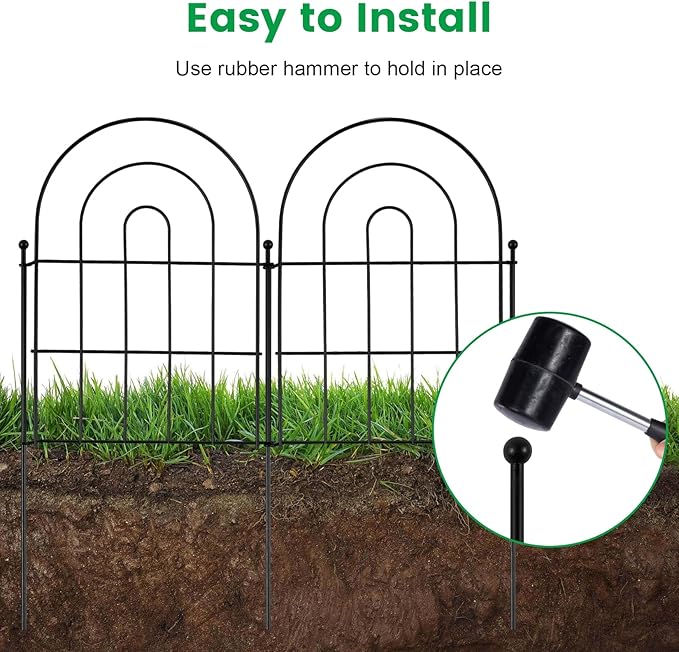
Complete Guide to Installing Wire Fencing in Forest Farms
Installation Methods
There are two main installation methods: embedding and using flanges with expansion bolts.
Embedding: The posts are made 30–60 cm taller than the fencing mesh. Except for the bottom 5–15 cm above the ground, the posts are buried in the soil. This method is suitable for soft ground and ensures sturdiness, significantly extending the fence’s lifespan.
Flanges with Expansion Bolts: Posts with flanges are fixed to hard surfaces (e.g., limestone ground) using expansion bolts. This method provides sufficient support for the weight of the posts and the pressure from the fencing mesh.
Step-by-Step Installation Guide
Prepare Tools and Materials
Determine the fence’s location and length, and purchase adequate fencing mesh and support posts.
Clear weeds and obstacles around the installation area, ensuring the ground is level.
Install Support Posts
Insert support posts evenly along the fence line, burying them 30–50 cm deep. Use a hammer or tools to secure them firmly.
Attach the Fencing Mesh
Start from one end and unroll the mesh along the support posts. Secure the mesh to the posts using steel wires or fasteners. Maintain a 5–15 cm gap between the mesh and the ground for easy maintenance.
Connect Fencing Sections
When one section is installed, connect the next section using steel wires or connectors. Ensure joints are tightly secured.
Install the Fence Gate (Optional)
For entry/exit access, install a gate. Set up gate posts, attach the mesh, and connect the gate to the main fence. Adjust the gate’s position and size based on practical needs.
Inspect and Adjust
After installation, check the entire fence for stability. Tighten any loose connections with wires or fasteners.
Notes
Prioritize safety during installation to avoid injuries.
Ensure all components are securely fastened to maximize the fence’s durability and effectiveness.
Fence Wire Mesh in Texas: A Vital Element in the Lone Star State
PVC coated gi binding wire
Related Article

15.5-gauge barbed wire is a mid-range thickness barbed wire primarily used for agricultural and perimeter fencing where a good balance of strength, durability, and cost is needed.
What is 15.5 gauge barbed wire used for?
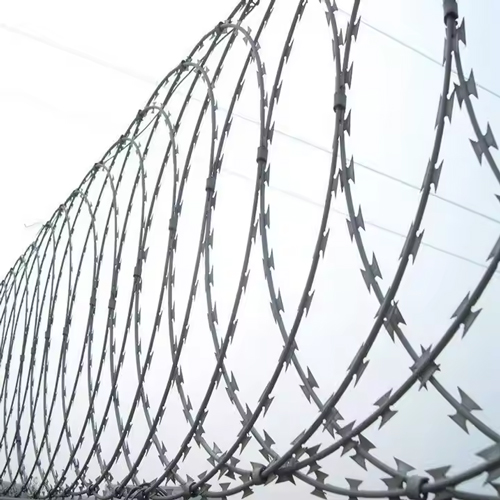
Concertina Wire: A New-Type Protection Mesh Combining Beauty, Practicality, and Strong Anti-Intrusion Performance
Concertina Wire: A Solid Barrier for Modern Security Protection
Stainless steel wire mesh comes in various weaving methods, with plain weave and twill weave being the most common. These two types exhibit distinct differences in wear resistance during use:
What Are the Differences in Wear Resistance Between Plain Weave and Twill Weave Stainless Steel Wire Mesh?