

PVC coated gi binding wire
2024-06-06
PVC coated gi binding wire refers to a type of binding wire with a galvanized iron core and a PVC outer coating.
Composition
Core Material: The inner core is made of galvanized iron wire (GI wire). Galvanization involves coating the iron wire with a layer of zinc, which significantly enhances its corrosion resistance and durability.
Coating Material: The outer layer is a PVC coating. PVC (Polyvinyl Chloride) is a type of plastic known for its excellent insulation, weather resistance, and flexibility. The PVC coating not only provides additional protection to the galvanized iron wire inside but also gives the wire better insulation performance and a more attractive appearance.
Features
Corrosion Resistance: Thanks to the galvanized iron core and the outer PVC coating, the wire has excellent resistance to corrosion from moisture, chemicals, and other environmental factors.
Insulation: The PVC coating provides good electrical insulation, which helps prevent electrical leakage and short circuits, making it suitable for applications where electrical safety is a concern.
High Strength and Tensile Resistance: Galvanized iron wire has high strength and good tensile properties, and with the reinforcement of the PVC coating, the overall strength and tensile resistance of the wire are further enhanced.
Weather Resistance: The PVC coating enables the wire to withstand various weather conditions, such as sunlight, rain, and wind, without significant degradation or damage. It can maintain its performance and appearance for a long time outdoors.
Flexibility: PVC is a flexible material, so the PVC coated gi binding wire is relatively flexible and easy to bend and shape, which facilitates its use in different construction and binding scenarios.
Color Availability: The PVC coating can be produced in various colors, such as green, black, white, etc. This allows for customization to meet different aesthetic and functional requirements.
Applications
Construction Industry: It is widely used in the construction of buildings, bridges, tunnels, and other projects. For example, it is used to tie rebar in concrete structures to ensure the stability and strength of the reinforcement framework.
Fencing and Gardening: It can be used to make fences and enclosures in gardens, farms, and construction sites. The corrosion resistance and flexibility of the wire make it suitable for creating durable and adjustable fencing structures.
Industrial Packaging: In some industrial applications, it is used for packaging and bundling of goods. The wire can securely fasten items together and protect them during transportation and storage.
Crafts and DIY Projects: DIY enthusiasts and crafters often use this type of wire for various handicrafts, such as making wire sculptures, decorative items, and more, taking advantage of its flexibility and color options.
Complete Guide to Installing Wire Fencing in Forest Farms
Understanding the Gauge of Galvanized Wire
Related Article

15.5-gauge barbed wire is a mid-range thickness barbed wire primarily used for agricultural and perimeter fencing where a good balance of strength, durability, and cost is needed.
What is 15.5 gauge barbed wire used for?
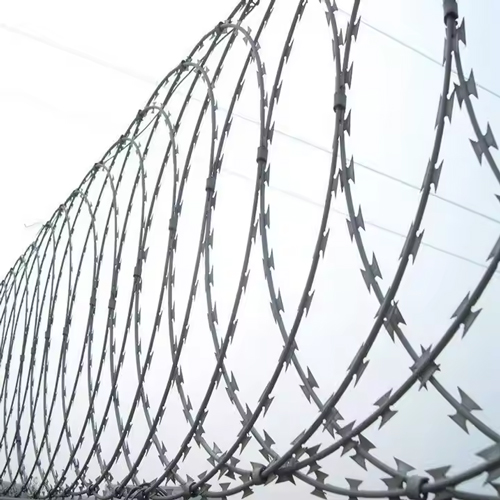
Concertina Wire: A New-Type Protection Mesh Combining Beauty, Practicality, and Strong Anti-Intrusion Performance
Concertina Wire: A Solid Barrier for Modern Security Protection

Stainless steel wire mesh comes in various weaving methods, with plain weave and twill weave being the most common. These two types exhibit distinct differences in wear resistance during use:
What Are the Differences in Wear Resistance Between Plain Weave and Twill Weave Stainless Steel Wire Mesh?